
Views: 0 Author: Site Editor Publish Time: 2025-12-16 Origin: Site
When it comes to choosing a battery for modern vehicles, both AGM (Absorbent Glass Mat) and EFB (Enhanced Flooded Battery) technologies are commonly considered, especially for vehicles with start-stop systems. AGM batteries are widely known for their high performance and ability to handle demanding electrical systems, making them the go-to option for luxury and heavy-duty vehicles. On the other hand, EFB batteries offer a more affordable alternative with improved cycle life and charge acceptance, making them attractive for vehicles with moderate start-stop requirements. This article will explore whether it’s possible to replace an AGM battery with an EFB battery, evaluating the factors to consider, such as vehicle power needs, cost-efficiency, and performance. We will provide insights on when switching to an EFB battery is a viable option and when an AGM battery remains the better choice.
An AGM (Absorbent Glass Mat) battery is a type of lead-acid battery where the electrolyte is absorbed into a fiberglass mat, instead of being free-flowing. This sealed design makes AGM batteries maintenance-free and enhances performance, particularly for vehicles with high electrical demands.
High Charge Acceptance: AGM batteries can quickly accept high charge rates, making them ideal for vehicles with advanced electrical systems, including those with start-stop technology.
Deep Cycling Ability: AGM batteries can withstand deep discharges and frequent cycling, offering long-lasting durability for high-demand applications.
Suitability for High-Performance Vehicles: With their ability to provide consistent power output, AGM batteries are perfect for luxury and high-performance vehicles that require reliable, stable power for advanced electronics and systems.
AGM batteries are commonly used in:
Luxury Cars: They support advanced electronics, infotainment, and comfort systems in high-end vehicles.
Heavy-Duty Vehicles: Trucks and commercial vehicles rely on AGM batteries to power demanding electrical systems.
Vehicles with Advanced Start-Stop Systems: AGM batteries handle frequent cycling, making them ideal for cars with start-stop technology, ensuring quick recharging during brief engine stops.
An EFB (Enhanced Flooded Battery) is a type of lead-acid battery designed for vehicles with moderate start-stop systems. Unlike traditional flooded lead-acid batteries, EFB batteries offer enhanced performance and durability, with improved electrodes and better electrolyte management. EFB batteries are also more affordable than AGM (Absorbent Glass Mat) batteries, making them a cost-effective choice for vehicles with moderate power demands.
Improved Cycle Life: EFB batteries are built to handle the frequent charge and discharge cycles of start-stop systems, offering better durability than traditional flooded lead-acid batteries.
Better Charge Acceptance: They charge more efficiently during short engine runs, which is crucial for start-stop technology.
Affordable Pricing: EFB batteries are less expensive than AGM batteries, providing a reliable performance at a lower cost.
EFB batteries are commonly used in:
Passenger Cars: Ideal for compact cars and sedans with moderate start-stop technology.
Light Commercial Vehicles: Used in vehicles that need reliable power for start-stop functionality, offering an affordable option for fleets.
Eco-Friendly Vehicles: Often found in hybrid and eco-friendly cars, where fuel efficiency and reduced emissions are priorities.
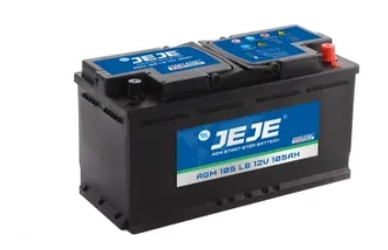
AGM Batteries: AGM (Absorbent Glass Mat) batteries are designed for high-performance applications. They have superior charge acceptance, making them ideal for vehicles with high electrical demands, including those with advanced start-stop systems and heavy power usage. AGM batteries can handle deep cycling and provide higher power output, ensuring efficient operation even under extreme conditions.
EFB Batteries: EFB (Enhanced Flooded Batteries) offer solid performance but are more suited for vehicles with moderate start-stop systems. While EFB batteries also have good charge acceptance and improved cycling ability compared to traditional flooded batteries, they are not as powerful as AGM batteries. They provide sufficient power for standard electrical systems and moderate cycling, but they may not meet the high demands of vehicles with complex electrical systems.
AGM Batteries: AGM batteries are more expensive due to their advanced design and higher performance capabilities. The higher initial cost reflects their ability to handle more demanding applications, making them suitable for luxury cars, heavy-duty vehicles, and vehicles with complex electrical systems.
EFB Batteries: EFB batteries are more affordable, providing a cost-effective solution for vehicles with moderate start-stop systems. While they offer improved performance over traditional flooded lead-acid batteries, they are priced significantly lower than AGM batteries, making them an attractive choice for consumers seeking an economical option without sacrificing essential performance.
AGM Batteries: AGM batteries typically have a longer lifespan compared to EFB batteries due to their superior design and ability to handle deeper discharges and more frequent cycling. They are built to withstand extreme conditions and heavy electrical demands, making them more durable and long-lasting in demanding environments.
EFB Batteries: EFB batteries offer a good lifespan for vehicles with moderate cycling needs. While they last longer than traditional flooded lead-acid batteries, they generally have a shorter lifespan than AGM batteries. Their performance is still reliable for vehicles with less demanding power requirements, but they may need replacement sooner under harsher conditions.
AGM Batteries: AGM batteries are maintenance-free and sealed, meaning they do not require regular checks or water refills. However, they may require more attention in extreme climates or if overcharged, as they are sensitive to temperature fluctuations.
EFB Batteries: EFB batteries also require minimal maintenance thanks to their sealed design, but they are typically easier to maintain compared to AGM batteries. They do not require water refilling and are less prone to damage from temperature extremes, making them a hassle-free option for everyday use.
Replacing an AGM (Absorbent Glass Mat) battery with an EFB (Enhanced Flooded Battery) is feasible in vehicles with moderate start-stop systems or standard electrical demands. EFB batteries provide reliable power for vehicles like compact cars, sedans, and light commercial vehicles, offering a cost-effective alternative for moderate cycling needs without the higher price of AGM batteries.
An EFB battery may not be suitable for high-performance vehicles or systems requiring deeper cycles and higher power output. Vehicles with advanced electrical systems, such as luxury cars or heavy-duty vehicles, require AGM batteries due to their superior charge acceptance, deep cycling, and longer lifespan. Using an EFB battery in these cases could result in decreased performance and durability.
When replacing an AGM with an EFB battery, consider:
Electrical Demands: EFB batteries work best for moderate electrical loads. For high-power vehicles, AGM batteries are still the better choice.
Climate Conditions: AGM batteries perform better in extreme temperatures, while EFB batteries may not handle harsh climates as well.
Battery Specifications: Ensure the EFB battery meets the required cold cranking amps (CCA), amp-hour rating (Ah), and voltage to match the AGM battery’s specs for optimal performance.
Switching from an AGM (Absorbent Glass Mat) battery to an EFB (Enhanced Flooded Battery) offers significant cost savings. EFB batteries are more affordable, making them an ideal choice for vehicles with moderate electrical needs. For cars with standard start-stop systems, EFB batteries provide reliable power at a lower price compared to AGM batteries.
EFB batteries deliver adequate performance for vehicles with moderate start-stop systems. While AGM batteries are best for high-demand vehicles, EFB batteries offer sufficient power for those with less intensive electrical requirements, ensuring stable performance without the higher cost of AGM batteries.
EFB batteries are more eco-friendly, as they are less resource-intensive to manufacture compared to AGM batteries. They provide reliable performance while reducing the environmental impact, thanks to lower production costs and fewer materials needed, making them a sustainable option for consumers.
No, replacing an AGM battery with an EFB battery is only recommended for vehicles with moderate start-stop systems and standard electrical requirements. High-performance vehicles or those with demanding electrical systems may require the superior performance of an AGM battery.
EFB batteries generally have a shorter lifespan compared to AGM batteries, as AGM batteries are built for deeper cycling and more extreme conditions. However, EFB batteries still offer long-lasting performance for vehicles with moderate power needs.
If your vehicle has moderate electrical demands and a standard start-stop system, switching from AGM to EFB will not negatively impact performance. However, for vehicles with advanced electrical systems or high-power requirements, an AGM battery is likely a better choice.
Yes, EFB batteries are generally more environmentally friendly because they are less resource-intensive to produce and are typically more affordable, reducing the need for frequent replacements. However, both types of batteries can be recycled, reducing their overall environmental impact.
In conclusion, both AGM (Absorbent Glass Mat) and EFB (Enhanced Flooded Battery) batteries have distinct advantages based on the vehicle's needs. AGM batteries are ideal for high-performance vehicles or those with advanced electrical systems that require deep cycling and high charge acceptance. On the other hand, EFB batteries are a more cost-effective solution for vehicles with moderate start-stop demands, offering reliable performance without the higher price tag of AGM batteries. While EFB batteries can replace AGM batteries in certain vehicles, particularly those with standard electrical needs, they may not be suitable for high-performance applications. When choosing between AGM and EFB batteries, it's essential to consider the vehicle's specific power requirements and cost-efficiency to ensure the best performance and value.

