
Views: 0 Author: Site Editor Publish Time: 2025-12-11 Origin: Site
EFB (Enhanced Flooded Battery) technology is an advanced type of lead-acid battery specifically designed to meet the demands of modern vehicles, particularly those equipped with start-stop systems. These systems automatically shut off the engine when the vehicle is idling and restart it when needed, contributing to reduced fuel consumption and lower emissions. With the increasing emphasis on fuel efficiency and environmental sustainability, start-stop technology has become a standard feature in many modern cars. EFB batteries are ideally suited for these systems, offering the necessary performance and durability to handle frequent engine starts and stops. This article will focus on why EFB car batteries are the preferred choice for start-stop systems, exploring their benefits, advantages over other battery types, and their growing importance in the automotive industry.
An EFB (Enhanced Flooded Battery) is a type of lead-acid battery designed for modern vehicles, especially those with start-stop systems. Compared to traditional flooded lead-acid batteries, EFB batteries are optimized for frequent charge and discharge cycles, making them ideal for vehicles that require reliable power for frequent engine restarts. EFB batteries are more cost-effective than AGM (Absorbent Glass Mat) batteries but still offer better cycle life than standard flooded batteries.
EFB batteries are engineered to handle the cycling demands of start-stop systems. The technology improves charge and discharge efficiency, ensuring the battery can withstand the frequent starts and stops without significant wear. EFB batteries use enhanced internal components, such as better electrodes and improved electrolyte management, to provide the durability needed for modern vehicle power systems.
Enhanced Electrodes: EFB batteries have specially designed electrodes made with high-density lead, which improves their durability during repeated cycles.
Electrolyte Management: The electrolyte is carefully controlled to ensure uniform distribution, enhancing battery performance and lifespan.
Flooded Cells: These batteries use flooded cells, where lead plates are immersed in an electrolyte solution, which allows for better heat dissipation and more efficient chemical reactions.
EFB (Enhanced Flooded Batteries) are designed to handle the frequent charge and discharge cycles in start-stop systems. With enhanced components like high-density lead electrodes and improved electrolyte management, EFB batteries can withstand the demands of constant engine restarts, ensuring long-lasting reliability in vehicles with start-stop technology.
EFB batteries are built for improved charge acceptance, allowing them to recharge efficiently during the short engine runs typical of start-stop systems. This helps ensure the battery is ready for the next restart, maintaining consistent vehicle performance without losing power between cycles.
Compared to AGM (Absorbent Glass Mat) batteries, EFB batteries offer a more affordable solution for start-stop vehicles. While AGM batteries provide superior performance, EFB batteries deliver sufficient power for start-stop systems at a lower cost, making them an economical choice for drivers and automakers seeking efficiency and value.
EFB batteries help reduce emissions by supporting the start-stop system, which minimizes engine idling, reduces fuel consumption, and lowers carbon emissions. By enabling efficient operation of start-stop technology, EFB batteries contribute to better fuel efficiency and environmentally friendly driving practices.
EFB (Enhanced Flooded Batteries) are specifically optimized to withstand the frequent charge and discharge cycles typical of start-stop systems. In these systems, the engine frequently shuts off and restarts, demanding a battery that can handle constant recharging and quick bursts of power. EFB batteries are built with enhanced electrodes and improved electrolyte management, allowing them to handle the high cycle rates without significant degradation, making them ideal for the demanding conditions of start-stop technology.
EFB batteries are designed for durability in tough conditions, such as extreme temperatures and prolonged idle periods, which are common in start-stop systems. Their robust construction ensures that the internal components are protected from environmental factors that can cause wear or performance loss in traditional batteries. This makes EFB batteries more reliable and long-lasting, even in harsh weather conditions or situations where the vehicle is frequently idling.
EFB batteries provide consistent and efficient performance in maintaining vehicle electrical systems. They are designed to efficiently recharge during short engine runs and supply stable power during engine restarts, without compromising the vehicle’s overall performance. Their reliable operation ensures that electrical components, such as lights, infotainment systems, and other accessories, remain functional even with frequent engine shutdowns. This makes EFB batteries an excellent choice for ensuring the continuous performance of modern vehicles equipped with start-stop systems.
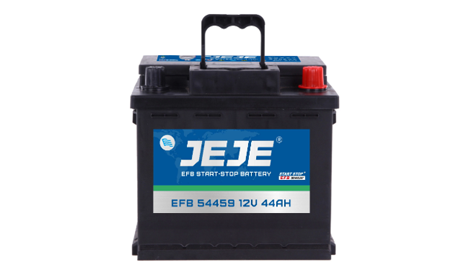
EFB (Enhanced Flooded Batteries) are commonly used in modern passenger cars, especially those equipped with start-stop systems. These systems are designed to turn off the engine when the vehicle is idling, such as at traffic lights or in stop-and-go traffic, and then restart the engine when needed. EFB batteries are well-suited for this application because they can handle the frequent charging and discharging cycles required by start-stop systems. EFB batteries are found in a variety of vehicles, including compact cars, sedans, and SUVs, where they provide reliable starting power and contribute to overall fuel efficiency.
In light commercial vehicles, EFB batteries are increasingly used to support start-stop technology, ensuring efficient operation in fleet vehicles. These vehicles, which often involve constant stop-and-go driving, require batteries that can withstand the high number of charge and discharge cycles. EFB batteries provide a cost-effective solution, offering the necessary durability and performance to handle the demands of commercial vehicle fleets while improving fuel economy and reducing emissions. Their ability to recharge quickly during short trips ensures reliable power for vehicles used in various industries such as delivery services, transportation, and logistics.
EFB batteries play a key role in eco-friendly vehicles, which prioritize fuel efficiency and reduced emissions. With increasing demand for vehicles that are environmentally responsible, EFB batteries provide the necessary support for start-stop systems in these green vehicles, helping reduce fuel consumption and carbon emissions. By enabling engines to turn off and on automatically during idle periods, EFB batteries contribute to lower overall emissions, making them an ideal choice for manufacturers focused on producing sustainable, eco-conscious cars.
EFB (Enhanced Flooded Batteries) car batteries are specifically engineered to meet the demands of start-stop systems, which require frequent cycling of the battery. Unlike traditional flooded lead-acid batteries, which are not designed to handle frequent charge and discharge cycles, EFB batteries offer better cycle life and improved charge acceptance. These advancements make EFB batteries more suitable for vehicles with start-stop technology, providing more reliable power for engine restarts without significant degradation over time.
EFB batteries support the efficient operation of start-stop systems, which automatically turn off the engine when the vehicle is idle, such as when waiting at traffic lights, and restart it when needed. This reduces fuel consumption by eliminating the need for the engine to run while the vehicle is stationary. By enabling more frequent and efficient engine restarts, EFB batteries help improve overall fuel efficiency, leading to reduced fuel costs and a lower environmental impact through decreased emissions.
EFB batteries are ideal for vehicles with moderate start-stop system requirements, such as compact cars, sedans, and some SUVs. These vehicles experience less frequent and less intense cycling compared to heavy-duty vehicles or high-performance cars. For more demanding applications, like trucks or luxury vehicles with more advanced start-stop systems, AGM (Absorbent Glass Mat) batteries might be a better choice due to their higher charge acceptance, deeper cycling capabilities, and overall durability under extreme conditions.
Yes, EFB batteries can help improve the longevity of your vehicle’s electrical system. They are designed to withstand the frequent charging and discharging cycles that are common in start-stop systems, preventing undue stress on the electrical components. By maintaining stable voltage levels and providing reliable power, EFB batteries help prevent premature wear and damage to components like the alternator, starter motor, and other electrical parts, thereby contributing to the overall longevity of the vehicle’s electrical system.
EFB (Enhanced Flooded Batteries) car batteries are an essential advancement in battery technology, particularly for vehicles equipped with start-stop systems. Their ability to handle frequent charge and discharge cycles, along with enhanced charge acceptance, makes them a reliable and cost-effective option for modern vehicles. EFB batteries contribute to better fuel efficiency by supporting start-stop systems that reduce engine idling time, ultimately saving fuel and reducing emissions. Furthermore, EFB batteries help improve the longevity of a vehicle's electrical system by reducing stress on electrical components and ensuring stable performance. While they are ideal for most passenger cars and light commercial vehicles, they offer a more economical solution compared to higher-performance alternatives like AGM batteries. As the automotive industry continues to focus on fuel efficiency and reducing environmental impact, EFB car batteries will remain a key player in supporting these goals, providing both practical and eco-friendly benefits.

