
Views: 0 Author: Site Editor Publish Time: 2026-06-09 Origin: Site
Mechanics and fleet operators often question if a "maintenance-free" label truly means zero upkeep. Many wonder if this is just a clever marketing claim designed to sell more units. The skepticism is entirely understandable given the history of automotive power storage. Traditional flooded lead-acid batteries lose water continuously through electrolysis and evaporation. This constant fluid loss creates heavy labor demands for regular watering routines. It also introduces severe safety risks from accidental acid spills and guarantees premature failure if neglected.
Modern engineering has solved these fundamental issues through sealed casing designs and advanced internal gas recombination processes. This closed-loop technology fully eliminates the need for manual watering. You no longer have to stockpile distilled water or schedule tedious top-off maintenance. Buyers can now shift their focus away from exhausting maintenance labor. Instead, you can prioritize upfront build quality and long-term manufacturer reliability.
The Science: Maintenance-free batteries utilize an oxygen recombination cycle within a sealed casing, converting generated gases back into water.
Operational Impact: Eliminating water refills significantly reduces Total Cost of Ownership (TCO) by cutting labor and mitigating acid-spill risks.
The "Zero Maintenance" Myth: While water refills are obsolete, terminal cleaning, voltage testing, and proper alternator regulation remain strictly necessary.
Sourcing Criteria: Selecting a reliable manufacturer requires evaluating their grid alloys, casing durability, and quality control (QC) certifications.
Automotive professionals must understand the internal chemistry of modern batteries to make informed procurement decisions. You cannot evaluate a product effectively without knowing how it functions. Standard flooded batteries have a well-known traditional flaw. They vent hydrogen and oxygen gases continuously during the charging phase. The alternator applies a voltage that naturally separates the water inside the electrolyte. These gases bubble to the surface and escape through the top caps. This reaction results in constant, unavoidable water loss over time.
The solution relies on advanced closed-loop systems. A premium Maintenance Free Car Battery utilizes an ingenious oxygen recombination cycle. It effectively traps the gases that would otherwise escape into the atmosphere. The process works through a specific chemical pathway. Oxygen generates at the positive plate during the charge cycle. Instead of venting out, this oxygen travels directly to the negative plate. It then reacts with hydrogen. This critical chemical reaction converts the gases back into liquid water. The battery essentially waters itself continuously.
These batteries feature a Valve Regulated Lead-Acid (VRLA) design. They are completely sealed from the outside atmosphere. A precise pressure-relief valve controls the internal environment. This valve remains tightly closed during normal operation. It only vents gases under extreme overcharge conditions. This safety mechanism prevents the casing from swelling or exploding if the alternator malfunctions.
Material upgrades play a massive role in this technology. Older batteries relied heavily on antimony alloys for their internal lead grids. Antimony makes grids strong but causes excessive gassing and rapid self-discharge. Modern maintenance-free designs replace antimony with calcium-calcium or lead-calcium grid alloys. Calcium inherently raises the voltage threshold required to trigger gassing. This simple material swap drastically reduces internal fluid loss and helps the battery hold a charge longer during storage.
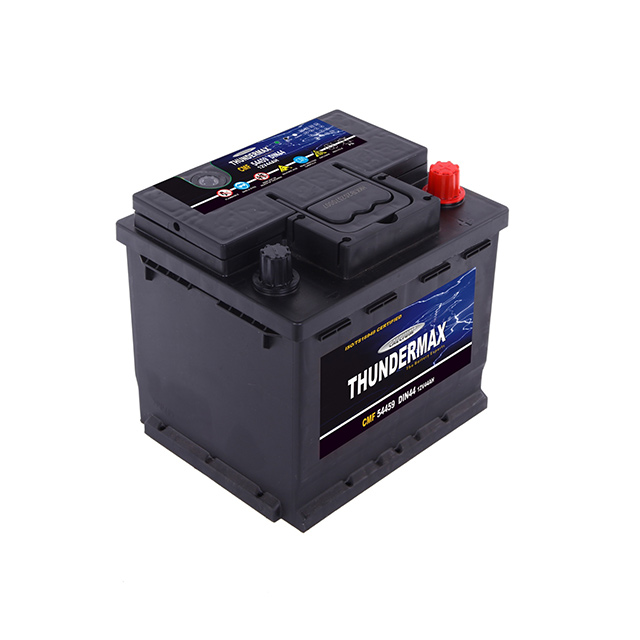
Upgrading your fleet or inventory to maintenance-free technology yields immediate operational benefits. You can translate these technical engineering features into tangible daily advantages. Businesses save money when they eliminate unnecessary labor steps. The impact extends far beyond just skipping a water refill.
Routine battery maintenance consumes thousands of labor hours annually for large vehicle fleets. Technicians must physically unlock the hood, remove battery caps, measure fluid levels, and pour distilled water. Eliminating this requirement creates immediate direct cost savings. You no longer need to purchase, transport, or store bulk inventory of distilled water. Your technicians can redirect their valuable time toward more complex mechanical repairs. This shift dramatically improves workshop efficiency.
Traditional flooded batteries pose significant safety hazards. Acid spills happen frequently during manual water top-offs. They also occur when vehicles traverse rough terrain. Sealed maintenance-free designs prevent acid stratification and leaks entirely. This upgrade removes environmental hazards from your workshop. It also reduces the risk of severe structural corrosion. Spilled battery acid destroys paint, weakens structural metal, and degrades surrounding electrical wiring. Sealed units protect your equipment investments by keeping the acid safely locked inside the casing.
Modern vehicles demand consistent, stable power delivery. Maintenance-free designs offer superior performance stability compared to traditional counterparts. This is especially true for Absorbent Glass Mat (AGM) variants. Consider these specific operational advantages:
Enhanced vibration resistance: Sealed casing structures tightly pack the internal plates. This prevents physical damage when driving over uneven roads or operating heavy machinery.
Lower self-discharge rates: Calcium-alloy grids retain their electrical charge much longer. They perform exceptionally well during extended periods of inactivity.
Seasonal storage reliability: Vehicles parked for months require less frequent jump-starts. The battery remains healthy and ready for deployment.
Consistent cranking amps: Because the electrolyte levels never drop, the internal lead plates remain fully submerged. This guarantees maximum starting power in cold weather.
No automotive component is entirely immune to wear and tear. You must approach the "maintenance-free" label with professional realism. Many consumers falsely believe they can ignore these batteries completely until they fail. This mindset leads to stranded vehicles and costly emergency replacements. Understanding the limitations helps you maximize product lifespan.
The oxygen recombination cycle relies on strict voltage parameters. High alternator voltage forces the internal chemistry out of balance. If a faulty voltage regulator pushes too much current, the battery boils internally. This creates gas faster than the internal cycle can recombine it. The internal pressure rises rapidly. The safety valve is eventually forced to open. Once gas escapes a sealed battery, the water is permanently lost. You cannot replace this lost fluid. The battery will inevitably dry out and fail.
Heat is the ultimate enemy of automotive batteries. Extreme under-hood heat accelerates fluid degradation. This rule applies even to fully sealed units. High temperatures speed up the internal chemical reactions. This causes the internal components to age prematurely. Fleet operators in hot climates often see reduced lifespans compared to those in temperate regions. Heat also increases the likelihood of the pressure valve opening during aggressive charging cycles.
The term "maintenance-free" applies strictly to water refills. It does not excuse you from basic mechanical upkeep. Routine inspections remain absolutely mandatory. You must implement these essential checks to guarantee optimal performance:
Terminal Cleaning: Corrosion can still build up on the exterior posts. You must clean the terminals with a wire brush and apply protective dielectric grease.
Mounting Hardware: A loose battery vibrates excessively. You must check the hold-down brackets regularly to prevent internal plate fractures.
Resting Voltage Checks: Use a multimeter to verify the battery holds a proper charge. Address parasitic electrical drains immediately.
You will find dangerous DIY advice scattered across online automotive forums. Some individuals suggest prying off the sealed flush caps to inject water with a syringe. You must explicitly warn your customers and technicians against this practice. Prying the cap destroys the highly calibrated atmospheric seal. It permanently halts the gas recombination cycle. Furthermore, it creates a severe acid hazard and instantly invalidates all manufacturer warranties.
Buyers must finalize their technology choice based on precise operational needs. Choosing the wrong battery type leads to workflow inefficiencies. You must evaluate upfront investments against long-term operational advantages. A structured comparison clarifies this decision-making process.
Standard flooded batteries carry a lower initial price point. They appeal heavily to highly budget-conscious retail consumers. However, they carry hidden labor and replacement burdens. If you fail to water them, they die quickly. Maintenance-free units demand a higher upfront investment. Yet, they yield vastly superior operational efficiency in commercial or high-use scenarios. The math heavily favors the sealed design when you factor in saved labor hours and reduced vehicle downtime.
You must match the battery technology directly to the vehicle application. There is no universal answer for every single scenario.
Standard Flooded Batteries: These are acceptable for highly accessible applications. They work well when routine maintenance schedules are already strictly enforced. If a workshop checks every vehicle weekly without fail, traditional batteries remain viable. They also serve well in older, mechanically simple vehicles with low electrical demands.
Maintenance-Free Batteries: These are absolutely critical for hard-to-reach battery compartments. Many modern vehicles bury the battery under cowls or inside the trunk. Routine watering becomes physically impossible in these designs. They are also mandatory for high-vibration environments and off-grid applications. Modern vehicles with high parasitic electrical draws require calcium-grid stability. Infotainment systems, GPS trackers, and constant security alarms drain older battery designs rapidly.
Feature | Standard Flooded Battery | Maintenance-Free (Sealed/VRLA) |
|---|---|---|
Water Refill Requirement | Frequent manual top-offs required | None (Closed-loop recombination) |
Grid Material | Lead-Antimony alloy | Lead-Calcium or Calcium-Calcium alloy |
Acid Spill Risk | High risk if tilted or overfilled | Virtually zero risk (Sealed design) |
Vibration Resistance | Standard | High (Excellent in AGM variants) |
Self-Discharge Rate | High (Discharges rapidly in storage) | Low (Holds charge over long periods) |
Procuring high-quality batteries requires rigorous vendor vetting. You cannot rely on colorful labels or aggressive marketing brochures. The reliability of the internal recombination cycle depends entirely on factory precision. You must look for strict procurement criteria when finalizing large orders.
Consistency dictates battery lifespan. Look for manufacturers that utilize fully automated plate-making machinery. Manual plate assembly leads to micro-shorts and uneven wear. The factory must use advanced calcium-alloy casting techniques. The lead purity must remain exceptionally high to prevent unwanted internal chemical reactions. Advanced automated factories assemble the internal components with microscopic precision, ensuring the internal pressure valves function accurately.
Never purchase automotive batteries from uncertified factories. You must require hard evidence of international ISO certifications. Look specifically for ISO 9001 and IATF 16949 accreditations. These standards prove the facility maintains rigorous quality management systems tailored for the automotive sector. Furthermore, ask the vendor about their factory-level resting and load testing protocols. Every single unit should undergo a strict Open Circuit Voltage (OCV) test before shipping. This step catches internal defects before the product reaches your shelves.
Evaluate the transparency of the manufacturer's defect warranty. Ambiguous warranty terms often hide poor build quality. The vendor should clearly define what constitutes a manufacturing defect versus user abuse. Additionally, a reputable vendor provides specific guidance on optimal charging parameters. They should tell you the exact voltage limits for their specific battery chemistry. This technical support is vital for fleet managers configuring advanced alternator regulators.
B2B procurement relies heavily on consistent product availability. You must consider the production capacity of your chosen vendor. Can they scale up production during peak winter demand? Evaluate their historical lead times and global shipping reliability. Partnering with a proven Maintenance Free Car Battery manufacturer ensures you never face crippling inventory shortages. Consistent supply chains protect your operational continuity and keep your vehicles running smoothly across all seasons.
The transition toward sealed battery technology fundamentally changes automotive maintenance. This shift is driven entirely by verifiable closed-loop chemistry. It is not an empty marketing gimmick. Advanced calcium grids and oxygen recombination effectively eliminate the need for distilled water inventory. You gain safer workshop conditions, fewer acid spills, and reduced labor demands.
Maximizing this specific technology requires a shift in operational thinking. You must stop worrying about active fluid maintenance. Instead, direct your attention toward precise procurement strategies. Ensure your fleet vehicles maintain healthy electrical systems and properly regulated alternators. A high-quality sealed battery thrives in a stable electrical environment.
You must make informed decisions based on your specific application environment. Standard flooded units still exist, but they rarely match the efficiency of modern sealed designs. Consult with an established manufacturer to specify the exact chemistry for your needs. Whether you require Sealed Flooded, AGM, or Gel technology, expert guidance ensures you purchase the optimal power solution for your retail operation or commercial fleet.
A: No. Doing so permanently destroys the pressurized seal and halts the gas recombination cycle. It creates a severe acid hazard, ruins the internal chemistry, and immediately voids all manufacturer warranties.
A: Some manufacturers use flush, sonic-welded, or tightly recessed manifolds during the factory filling process. They are installed permanently for initial acid injection. They are not designed or safe for consumer removal.
A: Typically 3 to 5 years. The exact lifespan depends heavily on the local climate, the vehicle's electrical load, and whether it successfully avoids deep discharge events or alternator overcharging.
A: Yes. If subjected to chronic overcharging or extreme heat, the safety valves will vent the internally generated gases. Over time, this irreversible gas loss leads to a dried-out, failed battery.

