
Views: 0 Author: Site Editor Publish Time: 2026-11-24 Origin: Site
Premature battery failure on unpaved, corrugated, or off-road routes carries massive hidden costs for commercial fleets. When a truck loses power on a remote logging road or a deep mining site, the immediate consequences go far beyond the price of a replacement unit. You face severe downtime, expensive remote recovery operations, and cascading delays across your entire logistics chain. Standard commercial batteries are engineered almost exclusively for smooth highway use. Subjecting them to continuous high-amplitude vibration leads directly to active material shedding, cracked internal welds, and sudden internal short circuits. Fleet managers and procurement officers need a rigorous technical evaluation framework to specify the correct power solutions for severe-duty applications. Choosing the right structural design and capacity ratings prevents these failures. By shifting focus to long-term survival metrics, operations can drastically reduce electrical failures in the field and keep heavy equipment running.
Vibration Resistance is Non-Negotiable: Standard flooded batteries fail rapidly on rough roads; structurally reinforced or AGM (Absorbent Glass Mat) designs are required to prevent plate shedding.
Chemistry Dictates Lifespan: While upfront costs are higher, AGM and Gel chemistries lower long-term expenses in high-vibration environments compared to traditional lead-acid, extending life expectancy from months to years.
Capacity Must Match Climate and Load: Selecting the right Ah (Amp-hour) and CCA (Cold Cranking Amps) is critical, particularly for diesel engines operating in extreme temperatures and frequent start-stop route profiles.
Supplier Vetting is Critical: Warranty terms often exclude off-road damage unless the battery is specifically rated for it by the truck starting battery manufacturer.
If you run a fleet of Kenworth T880s hauling timber down washboard gravel roads, or articulated dump trucks navigating blasted rock in a quarry, you already know what mechanical stress looks like. These environments subject vehicles to relentless kinetic energy. To establish a baseline for electrical component survival, we must define the specific forces at play. A battery in a highway truck experiences low-frequency, low-amplitude road noise. A battery in an off-road machine experiences violent, high-amplitude shocks that transfer directly through the chassis, through the mounting brackets, and into the battery housing.
Continuous shock and vibration physically tear standard batteries apart from the inside. Lead-acid batteries generate power through a chemical reaction involving heavy lead dioxide plates and sulfuric acid. A standard Group 31 commercial battery weighs roughly 60 to 70 pounds, and the vast majority of that weight consists of suspended lead plates. In standard designs, these lead plates hang relatively loose inside the plastic casing. When subjected to severe washboard roads, the heavy lead grids flex and vibrate violently.
This constant flexing causes the active lead material to detach from the grid structure. The shed material falls and accumulates at the bottom of the battery case. Over time, this conductive sludge builds up until it touches the bottom of the active plates. Once that physical connection happens, it creates a dead short across the cell. The battery instantly loses voltage and fails, often without any prior warning signs. Structurally, the internal busbars and strap welds connecting the individual cells also suffer severe metal fatigue, eventually snapping under the continuous mechanical stress and severing the electrical connection entirely.
Standard battery cases are molded from basic, thin-walled polypropylene. While adequate for smooth highway use, these cases become brittle in extreme cold and are highly susceptible to micro-fractures when slammed repeatedly against metal battery trays. A hairline fracture allows highly corrosive sulfuric acid to leak onto the chassis. This acid rapidly destroys wiring harnesses, dissolves mounting brackets, and corrodes nearby engine components, leading to repair bills that dwarf the cost of the battery itself.
Furthermore, extreme vibration exacerbates acid stratification in poorly designed flooded batteries. Stratification occurs when the heavier battery acid separates from the water and settles at the bottom of the cells. While some movement helps mix the electrolyte, the violent shaking of rough terrain can cause uneven mixing and localized high-acid concentrations. This leads to rapid, uneven plate corrosion. The upper portions of the plates dry out and sulfate, while the bottom portions corrode aggressively, severely stunting the battery's operational lifespan.
Mitigating physical damage requires specific engineering features. You cannot judge a battery's off-road capability by its external label alone. Finding a reliable Truck Battery for Rough Roads means looking past the marketing stickers and understanding the internal architecture used to stabilize the heavy lead components against relentless kinetic energy.
When evaluating a Vibration Resistant Truck Battery, you must demand specific construction features. A true severe-duty battery utilizes epoxy-anchored plates. Manufacturers inject industrial epoxy at the base of the cells to lock the lead plates firmly to the bottom of the case, preventing them from swinging or flexing. You should also look for reinforced, heavy-duty cast grids rather than stamped grids. Cast grids offer superior mechanical strength and resist the metal fatigue that destroys stamped grids on corrugated roads.
Tight-pack cell compression is another mandatory feature. By inserting highly compressed, heavy-duty polyethylene separators between the plates, the entire cell block becomes a solid, rigid mass. This prevents the active material from vibrating loose. When evaluating specifications, look for industry-standard vibration testing metrics. The EN 50342-1 standard outlines specific vibration resistance classes. For rough terrain, demand a V3 or V4 rating. A V4 rated battery is strapped to a shaker table and subjected to 6g of acceleration at 30Hz for 20 hours, proving its internal architecture can survive extreme off-highway abuse.
Understanding the relationship between Cold Cranking Amps and Reserve Capacity requires looking at your specific route profile. CCA is a measure of brute force. It tells you how many amps the battery can deliver at 0°F for 30 seconds while maintaining at least 7.2 volts. Heavy diesel engines require massive surges of amperage to turn over, especially in freezing conditions where engine oil becomes highly viscous. If you run a 15-liter engine in northern logging camps, you need a massive CCA rating across your battery bank just to turn the cold, thick oil.
However, Reserve Capacity is a measure of endurance. It tells you how many minutes the battery can output 25 amps before the voltage drops to 10.5 volts. Rough terrain operations frequently involve running auxiliary equipment—lift gates, heavy-duty winches, telematics, and two-way radios—while the engine and alternator are turned off. If your drivers frequently shut off the engine to wait for an excavator to load the trailer, they are likely running hotel loads off the battery. If the battery bank lacks sufficient RC, the voltage will drop too low to crank the engine when it is time to move. You must calculate the total amp draw of your hotel loads and select a battery bank that provides enough RC to handle those loads without discharging past 50%.
Commercial batteries typically range from 60Ah to well over 140Ah. Selecting the correct capacity requires analyzing engine displacement alongside total auxiliary power draw. A 15-liter diesel engine operating in sub-zero temperatures demands significantly more capacity than a 7-liter engine running agricultural routes in a temperate climate.
Route profiles dictate the necessary alternator recovery rate. Off-road driving profiles severely impact the charging system. When a truck is crawling up a steep, rutted logging road at 10 miles per hour, the engine RPMs are often low. At low RPMs, the alternator does not produce its maximum rated amperage. If the truck is running high-draw accessories like off-road light bars and heavy-duty wiper motors, the electrical demand can exceed the alternator's output. The system pulls the deficit directly from the battery bank. Over a 10-hour shift of low-speed crawling, the batteries can become deeply discharged. In these high-cycle scenarios, over-sizing the Ah capacity provides a larger energy reservoir, preventing the battery from dropping into a deep state of discharge during a long shift.
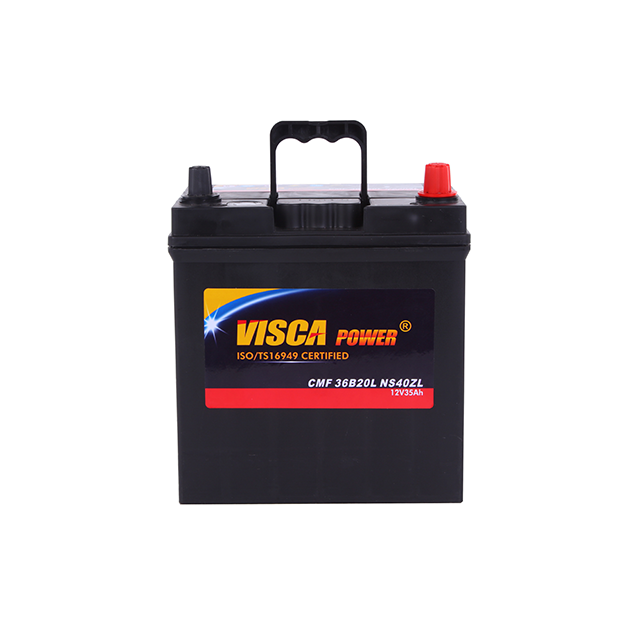
The internal chemistry and physical state of the electrolyte determine how well a battery handles kinetic shock. Comparing dominant battery technologies through the lens of severe-duty applications reveals massive disparities in life expectancy and field reliability.
Traditional flooded lead-acid batteries feature free-flowing liquid sulfuric acid. They offer the lowest initial purchase price, making them attractive to procurement departments focused strictly on upfront budgets. However, their vulnerability to vibration makes them a poor choice for severe terrain.
The free-flowing liquid does nothing to dampen the movement of the internal plates. Consequently, plate shedding occurs rapidly. Flooded batteries are also prone to electrolyte loss. Extreme vibration causes the liquid to slosh violently, often venting acid mist through the caps. Flooded batteries remain viable only in highly specific, low-impact scenarios—such as mild washboard dirt roads where the fleet maintains a strict, weekly preventative maintenance schedule to check fluid levels and clean terminal corrosion.
Absorbent Glass Mat (AGM) technology represents the gold standard for off-road commercial transport. This makes AGM the undisputed standard for a Heavy Duty Truck Battery deployed in harsh environments. In an AGM battery, ultra-fine fiberglass mats are sandwiched tightly between the lead plates. These mats absorb and suspend the liquid electrolyte through capillary action, meaning there is no free-flowing acid inside the case.
This design provides immense structural benefits. The tightly packed glass mats act as physical shock absorbers, dampening vibration and locking the active material against the lead grids. Because they are completely sealed, they cannot spill, even if the casing cracks or the truck rolls over. While standard flooded batteries may only survive 12 to 24 months in harsh off-road conditions, a premium heavy-duty AGM battery routinely achieves a 3 to 5-year lifespan. The reduction in replacement frequency, combined with zero maintenance requirements, makes AGM the most financially sound choice for rough routes.
Gel batteries utilize silica dust to turn the sulfuric acid into a thick, immobile paste. This provides excellent deep-cycle resilience and extreme temperature tolerance. Heavy-duty deep-cycle Gel variants can push life expectancy to 3 to 7 years in off-grid equipment. However, Gel batteries generally offer lower CCA ratings than AGM, making them better suited for auxiliary power banks rather than primary diesel starting applications.
Lithium-ion (specifically LiFePO4) is emerging in the commercial trucking sector. Lithium offers unmatched vibration resistance because it contains no heavy lead plates to shed or fracture. It also provides massive weight savings. However, the upfront costs are currently prohibitive for many fleets. Additionally, standard lithium batteries cannot be charged in sub-zero temperatures without integrated internal heating systems, limiting their deployment in extreme northern logging or mining operations.
Commercial Battery Chemistry Comparison for Rough Roads | ||||
Chemistry Type | Vibration Resistance | Maintenance Required | Average Off-Road Lifespan | Best Application |
|---|---|---|---|---|
Flooded Lead-Acid | Low (V1/V2) | High (Watering, Cleaning) | 1 - 2 Years | Mild dirt roads, strict maintenance fleets |
AGM (Absorbent Glass Mat) | Excellent (V3/V4) | None (Sealed) | 3 - 5 Years | Severe logging, mining, heavy construction |
Gel Cell | Excellent (V3/V4) | None (Sealed) | 3 - 7 Years | Auxiliary power, extreme deep cycling |
Lithium (LiFePO4) | Superior | None | 5 - 10 Years | Weight-sensitive rigs, high-budget fleets |
Even the most robust battery chemistry will fail if improperly secured or maintained. Operational trade-offs between physical inspection protocols and fleet labor costs heavily influence overall reliability in the field.
Unpaved routes generate massive amounts of silica dust, abrasive mud, and airborne debris. If a fleet uses traditional flooded batteries requiring regular watering, technicians must open the cell caps in these dirty environments. Just a few grains of conductive dirt dropping into the cells can contaminate the electrolyte and ruin the battery.
Upgrading to a Maintenance Free Truck Battery eliminates this contamination risk entirely. Sealed designs also generate immediate labor savings. Removing routine distilled water top-offs and specific gravity hydrometer checks from the weekly preventative maintenance schedule frees up technicians to focus on critical drivetrain and brake inspections. Over a fleet of 50 trucks, eliminating battery watering saves hundreds of labor hours annually.
A battery's internal vibration resistance means nothing if the external casing is bouncing loosely inside the battery box. Standard steel battery trays offer zero shock absorption. When outfitting a truck for quarry work or timber hauling, you need to modify the mounting system. Installing a 1/2-inch thick polyurethane isolation pad at the bottom of the battery box absorbs high-frequency chassis resonance before it reaches the battery case.
Furthermore, the hold-down brackets must distribute the clamping force evenly across the top of the battery. Using a narrow metal strap concentrates the pressure on a small area of the plastic case. When the truck hits a pothole, that concentrated pressure can crack the polypropylene. Always use wide, rubber-coated hold-down brackets and torque the fixing bolts to the manufacturer's exact specifications. Under-tightening allows the battery to shift on corrugated roads, wearing holes through the plastic casing via friction.
Heavy vibration wreaks havoc on electrical connections. Standard SAE tapered posts rely on friction and clamping force, which can vibrate loose over thousands of miles of washboard roads. Threaded stud terminals provide a superior, mechanically locked connection via a stainless-steel nut and lock washer, ensuring the cables remain secure under violent shaking.
Heavy-duty trucks often use thick 4/0 AWG copper cables to handle the massive amperage required for starting. While these thick cables are necessary for electrical conductivity, they are incredibly stiff. When the truck chassis flexes and vibrates on a logging road, that stiff cable acts like a lever. It transfers the mechanical vibration directly into the lead battery post. Over time, this leverage can physically crack the lead post right where it meets the plastic casing, causing an immediate acid leak. To prevent this, fleets should ensure there is adequate slack in the battery cables and use flexible, high-strand-count welding cable rather than stiff, low-strand-count wire.
System architecture dictates how batteries are wired and how they handle the physical stress of the environment. Understanding the distinction ensures you select the right configuration for your specific machinery and minimize failure points.
North American heavy trucks predominantly utilize 12V starting and charging systems. To achieve the massive CCA required to start a 15-liter engine, fleets wire three or four 12V batteries in parallel. Parallel wiring increases the total Ah capacity and CCA while maintaining the 12V system voltage. Conversely, European commercial trucks and heavy off-highway equipment almost exclusively use 24V systems. This is achieved by wiring two 12V batteries in series, which doubles the voltage to 24V while keeping the Ah capacity the same.
Vibration impacts these configurations differently. In a 4-battery parallel 12V bank, there are numerous heavy-gauge interconnecting cables. Every cable connection is a potential failure point under heavy vibration. If one battery in a parallel bank develops an internal short due to plate shedding, it will drain the other three batteries dead. 24V systems, utilizing only two batteries in series, have fewer interconnecting cables and fewer physical connection points to vibrate loose, inherently improving physical reliability in rough terrain. Regardless of the system voltage, a high-quality Commercial Vehicle Battery must maintain uniform internal resistance across the entire bank to prevent uneven charging and premature failure.
Procuring batteries for severe-duty fleets requires looking beyond the spec sheet and evaluating the supplier's ability to support your operations. You must thoroughly vet your Truck Starting Battery Manufacturer before outfitting an entire fleet to mitigate long-term implementation risks.
Standard commercial battery warranties are written for highway trucks. Buyers must ruthlessly scrutinize the warranty fine print for "off-road," "severe duty," or "high-vibration" exclusions. Many budget manufacturers will void a warranty immediately if they discover the battery was used in a logging or mining application.
A realistic commercial warranty for high-vibration applications should explicitly cover structural failures like broken internal welds or plate shedding within a specified timeframe. This is typically 12 to 18 months for severe duty, compared to 36 months for highway use. Demand written clarification from the manufacturer regarding their definition of severe duty before signing a procurement contract.
Mixed fleets operating in remote areas require consistent batch quality and reliable logistics. Assess the manufacturer's ability to provide nationwide or global replacement support. If a truck breaks down in a remote northern territory, you cannot wait three weeks for a proprietary battery size to ship from overseas.
Furthermore, evaluate the supplier's technical sizing assistance. A premium manufacturer will audit your fleet, analyze your specific route profiles, engine sizes, and parasitic loads, and recommend the exact Ah and CCA ratings required. This consultative approach prevents fleets from chronically under-sizing their batteries, which is a primary cause of premature failure in off-road environments.
Relying on standard highway batteries for rough road operations is a guaranteed false economy. The continuous kinetic shock of unpaved routes physically destroys standard flooded architectures, leading to unpredictable failures, stranded drivers, and exorbitant recovery costs. Investing in vibration-resistant, sealed architectures like AGM is an operational necessity for severe-duty fleets.
When shortlisting replacements, prioritize batteries with certified V3 or V4 vibration ratings. Match the CCA to your coldest operating environment, ensure rigid physical mounting with proper torque specs, and strictly specify maintenance-free designs to eliminate contamination risks and reduce labor overhead.
To implement these upgrades effectively, take the following steps:
Audit your current electrical failure rates to identify which specific routes and equipment types cause the most frequent battery replacements.
Inspect all existing battery trays, hold-down brackets, and terminal connections for signs of vibration damage, missing rubber isolators, or loose hardware.
Calculate your true operational costs by factoring in equipment downtime, lost load revenue, and remote recovery fees, rather than just the initial battery purchase price.
Consult with a specialized commercial battery manufacturer to conduct a fleet-specific power audit and standardize your severe-duty battery specifications.
A: Vibration resistance comes from internal structural reinforcements. Manufacturers inject industrial epoxy at the base of the cells to anchor the lead plates. They also use tight-pack compression with heavy-duty separators to stop component movement. Thicker, cast lead grids are used because they resist metal fatigue far better than standard stamped grids.
A: Standard flooded batteries often fail within one to two years on severe unpaved roads due to plate shedding and internal shorts. In contrast, heavy-duty AGM batteries designed for high vibration typically last three to five years. Specialized deep-cycle units can push lifespan up to seven years depending on maintenance.
A: Yes. The higher upfront cost of an AGM battery is rapidly offset by its extended lifespan and the elimination of watering maintenance. AGM's resistance to internal shorts prevents unexpected breakdowns on remote routes, saving fleets massive amounts of money in avoided towing and equipment downtime.
A: Heavy-duty truck batteries generally range from 60Ah to over 140Ah. The exact requirement depends on engine displacement, climate, and parasitic loads. A truck running heavy auxiliary equipment or operating in frequent start-stop off-road cycles requires a higher Ah capacity to ensure the alternator can keep up with the energy drain.
A: It is highly discouraged. Standard commercial batteries lack the internal bracing required for high-amplitude impacts. Using them for off-road logging guarantees rapid active material shedding and broken internal welds. This inevitably leads to sudden, catastrophic electrical failure in the field, leaving equipment stranded.
A: A starting battery is designed to deliver a massive, short burst of amperage to crank a heavy engine, but it degrades quickly if deeply discharged. A deep cycle battery is built with thicker, denser plates to provide sustained, lower-amp power for hotel loads and can be discharged deeply without damage.
A: On rough routes, you should visually inspect batteries weekly. Technicians must check fixing bolts and hold-down brackets to ensure the battery hasn't vibrated loose, as a loose battery amplifies shock damage. Terminal connections should also be checked for tightness and cleaned of any mud or corrosion.

