
Views: 0 Author: Site Editor Publish Time: 2026-05-28 Origin: Site
Unused battery stock often sits quietly on warehouse shelves, hiding a massive financial liability. Many managers assume sealed units stay perfectly viable for years. While the label implies zero upkeep, prolonged storage without intervention causes irreversible capacity loss. This silent degradation increases frustrating warranty claims. It also creates costly procurement waste. You cannot just leave batteries on a shelf and expect them to perform reliably upon installation.
This article breaks down exact shelf-life expectations and severe chemical risks like sulfation. We analyze how ambient temperature aggressively impacts self-discharge rates. We also cover strict evaluation protocols. You will discover actionable strategies to ensure your stored batteries remain fully viable for immediate deployment. Following these guidelines helps you preserve inventory value and maintain high-quality standards.
A fully charged maintenance-free car battery typically has a maximum absolute shelf life of **6 to 12 months** at room temperature without intervention.
The 26-week (6-month) mark is the standard OEM threshold for mandatory testing and voltage top-ups.
Storing batteries above 90°F (32°C) accelerates self-discharge to 15-20% per month, practically destroying a battery in weeks.
Any battery dropping below 12.4V is actively undergoing irreversible sulfation and requires immediate charging.
Many consumers and warehouse operators misunderstand automotive battery labels. The terminology "maintenance-free" strictly refers to the physical casing design. These Sealed Lead-Acid (SLA) or Valve-Regulated Lead-Acid (VRLA) units rely on built-in pressure-relief valves. These internal systems capture and recycle water vapor. Therefore, you never need to top off the electrolyte fluid. However, this sealed design does not mean the battery remains immune to physical aging or chemical self-discharge.
A Maintenance Free Car Battery constantly undergoes internal chemical reactions, even while sitting disconnected on a shelf. Idle failure occurs through two primary destructive mechanisms:
Sulfation: Battery chemistry relies on a delicate balance. When a battery sits below full charge, sulfate materials precipitate out of the electrolyte. They crystallize directly onto the porous lead plates. These hardened crystals permanently increase internal electrical resistance. If left unchecked, sulfation destroys the ability to hold a charge.
Internal Corrosion: Static resting slowly degrades internal components. Even if you connect inventory to float chargers, natural acid exposure corrodes the delicate lead grids over time. This corrosion weakens structural integrity and reduces overall amperage delivery.
We must establish realistic evaluation criteria for battery stock. Absolute battery longevity generally ranges from three to six years. Crucially, this biological clock starts ticking the exact moment technicians introduce acid at the factory. It does not matter whether the unit powers a vehicle or sits forgotten on a warehouse pallet. The chemical degradation process runs continuously.
A frequent error involves treating batteries like inert spare parts. Facility managers often stack them in corners and forget them for a year. Another mistake involves assuming a brand-new, unopened box guarantees a healthy unit. Always remember the internal chemistry remains active regardless of the external packaging.
Battery discharge is fundamentally a chemical reaction. Ambient temperature directly dictates the speed of this reaction. As a general rule of chemistry, reaction rates double for every 18°F (10°C) increase in heat. Therefore, warehouse climate control becomes your strongest defense against inventory loss.
Different storage environments yield drastically different self-discharge rates. Understanding these metrics helps you plan proper inventory rotation.
Storage Environment | Temperature Range | Monthly Self-Discharge Rate | Expected Maximum Shelf Life (Without Top-Up) |
|---|---|---|---|
Cold Storage | Under 50°F / 10°C | 3% to 6% | Up to 12 - 15 months |
Room Temperature | 68°F to 77°F / 20°C to 25°C | 5% to 8% | 6 to 12 months |
Extreme Heat | 90°F / 32°C and above | 15% to 20% | Under 90 days |
Cold storage presents the optimal environment. When you drop ambient temperatures below 50°F, you slow molecular activity. The self-discharge rate plummets to roughly 3% per month. This environment protects the internal grids and drastically delays sulfation.
Room temperature storage represents the standard scenario for most retail auto parts stores. Here, the average discharge rate sits between 5% and 8% monthly. You can usually safely store a fully charged unit for about six months before requiring intervention.
Extreme heat represents the ultimate danger zone. Storing inventory in metal warehouses during summer months causes severe damage. Temperatures above 90°F cause self-discharge rates to spike aggressively. A brand-new unit can become heavily sulfated and completely unrecoverable in less than three months under these blistering conditions.
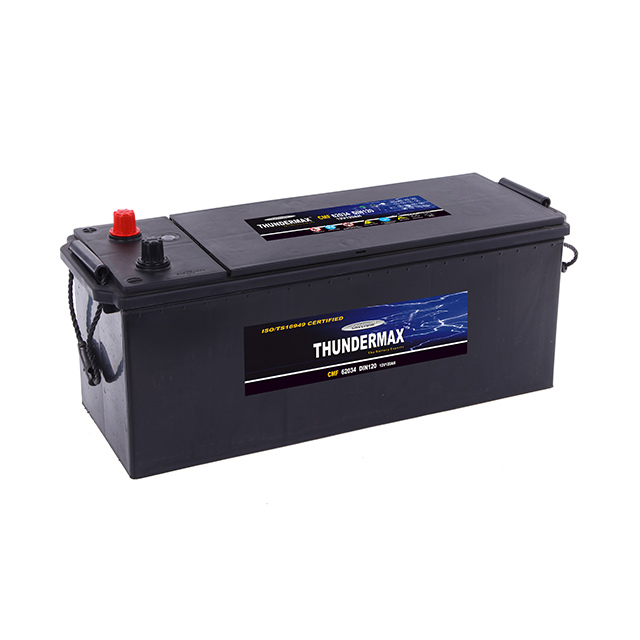
You cannot manage what you do not measure. Implementing a rigorous auditing schedule prevents dead units from reaching your end customers. Visual inspections are insufficient; you need precise electrical data.
The standard multimeter serves as your most important baseline tool. A perfectly healthy, fully charged 12V unit should read between 12.6V and 12.8V. The absolute critical cut-off threshold is 12.4V. When a stored unit drops to 12.4V, it is actively undergoing harmful sulfation. You must pull it from the rack and recharge it immediately. Ignoring this threshold guarantees permanent capacity loss.
Industry leaders follow strict OEM stock standards. Automotive assembly plants and tier-1 national distributors universally limit unchecked shelf time to 26 weeks. When inventory passes this 6-month mark, warehouse systems red-flag the pallets. Technicians then perform mandatory top-charging procedures before allowing the stock to ship.
Modern battery variations require specific diagnostic tools. Standard flooded-battery load testers apply a massive physical current draw. While fine for older wet-cell designs, they often yield highly inaccurate health readings for modern Absorbent Glass Mat (AGM) or Enhanced Flooded Battery (EFB) units.
To accurately audit modern sealed stock, follow these structured testing steps:
Use a digital conductance tester instead of an analog load carbon pile.
Ensure you calibrate the tester specifically for SLA/AGM algorithms before attaching the clamps.
Connect the red clamp to the positive terminal and the black clamp to the negative terminal directly on the lead posts.
Input the factory Cold Cranking Amp (CCA) rating listed on the casing label.
Record both the resting voltage and the measured internal resistance to track degradation trends.
Preserving battery health requires proactive intervention. The most vital rule involves State of Charge (SoC) management. Lithium-ion electronics prefer resting at a 40-60% SoC to reduce internal stress. Conversely, lead-acid chemistry demands entirely different treatment. You must always store lead-acid units at 100% capacity. Leaving them partially discharged guarantees rapid crystallization on the plates.
Implement a mandatory top-charge policy for all aged inventory. If you operate in temperate climates, execute this procedure every six months. If your facility experiences warmer climates, you must shorten this cycle to every three months.
The technical parameters for a proper top-charge are strict. Do not simply attach a high-amperage rapid charger. Instead, apply a precise constant voltage charge. Aim for exactly 2.4V per cell. Because a standard 12V unit contains six internal cells, you need a total output of 14.4V. Maintain this gentle charge rate for 20 to 24 hours. This slow saturation process dissolves early sulfate crystals and perfectly restores the internal acid balance.
Managing massive warehouses requires bulk charging schedules. However, smaller inventories or long-term vehicle storage scenarios benefit from automated solutions. Intelligent float chargers monitor voltage continuously. When they detect a slight drop, they push a tiny amount of current to compensate.
Modern smart chargers prevent dangerous parasitic draw from modern vehicle electronics. More importantly, they avoid overcharging. Cheap, older trickle chargers push continuous current regardless of battery fullness. This constant pressure triggers thermal runaway. It boils the electrolyte, expands the plastic casing, and ultimately ruins the unit. Always use microprocessor-controlled float chargers for long-term continuous connection.
Not all sealed batteries degrade at the same pace. The initial build quality dictates the baseline self-discharge rate. Choosing a premium supplier drastically reduces your warehouse maintenance burden.
The primary differentiator is material purity. A low-cost supplier often uses recycled lead heavily contaminated with trace metals like antimony. These impurities create tiny local short-circuits inside the cells. These micro-shorts accelerate the static discharge rate. Conversely, a premium Maintenance Free Car Battery manufacturer utilizes high-purity virgin lead. Virgin lead naturally resists internal corrosion. It significantly lowers the baseline self-discharge rate, granting you a much wider storage window.
Date code transparency also plays a crucial role in procurement. Reputable manufacturers stamp clear, easily auditable date codes on their casings. Obscure or hidden manufacturing dates usually indicate an attempt to hide aged stock. Your procurement policy should be ruthless. Always reject incoming bulk shipments if the manufacture dates exceed three to six months. You do not want to inherit another company's aging problems.
Evaluating a supply chain requires looking far beyond the upfront unit cost. You must assess the manufacturer's entire operational structure. Consider their inventory turnover rates. Do they practice strict First-In, First-Out (FIFO) rotation? Evaluate their shipping conditions. Do they utilize climate-controlled freight during summer months? Finally, verify their willingness to honor warranties on stock showing degradation within standard shelf-life parameters. A strong partner guarantees fresh stock and stands behind their product's shelf stability.
Storing maintenance-free batteries requires highly active management. Relying purely on the "sealed" nature of the casing while ignoring internal voltage drops inevitably leads to massive inventory loss. You must respect the underlying chemical reality of lead-acid degradation.
Take immediate control of your storage environment to protect your investment. First, implement a strict 26-week stock rotation policy to ensure older units move out first. Second, mandate strict 12.4V multimeter testing thresholds for every warehoused unit. Finally, carefully vet your suppliers. Partner exclusively with manufacturers committed to high lead purity and transparent date codes. These proactive steps eliminate unexpected dead stock, keep your supply chain efficient, and guarantee your customers receive peak-performing products every single time.
A: If a battery sits deeply discharged below 10.5V for several weeks, the resulting sulfation is usually permanent. While specialized pulse chargers claim to break down hardened crystals, the battery rarely recovers its original factory Cold Cranking Amp (CCA) rating. It will likely remain unreliable.
A: Modern plastic casings do not physically discharge electrical current into concrete. However, concrete floors stay significantly colder than ambient air. This temperature difference causes fluid stratification inside the casing, unevenly aging the lower plates. We highly recommend storing units on wooden pallets for proper temperature control.
A: Yes. AGM (Absorbent Glass Mat) designs generally feature lower internal resistance and utilize higher purity lead. This advanced construction reduces the monthly self-discharge rate by an additional 1-2% compared to traditional SLA units. This gives you a slightly wider and safer storage window.

