- Home

What Happens If AGM Car Battery Is Replaced By Ordinary MF Battery
Views: 0 Author: Site Editor Publish Time: 2026-06-05 Origin: Site
Many drivers and mechanics face a frequent dilemma when an original battery fails. A standard Maintenance-Free (MF) lead-acid battery sits on the parts shelf for half the price. It looks like an easy swap to save money. However, this decision often leads to severe mechanical consequences.
While the physical dimensions might fit perfectly, downgrading battery technology fundamentally compromises a modern vehicle. Modern cars engineered for Absorbent Glass Mat (AGM) chemistry rely on highly specific power delivery profiles. Installing a basic MF battery disrupts this delicate electrical architecture. It forces the system to work harder, leading to rapid failure and dangerous malfunctions.
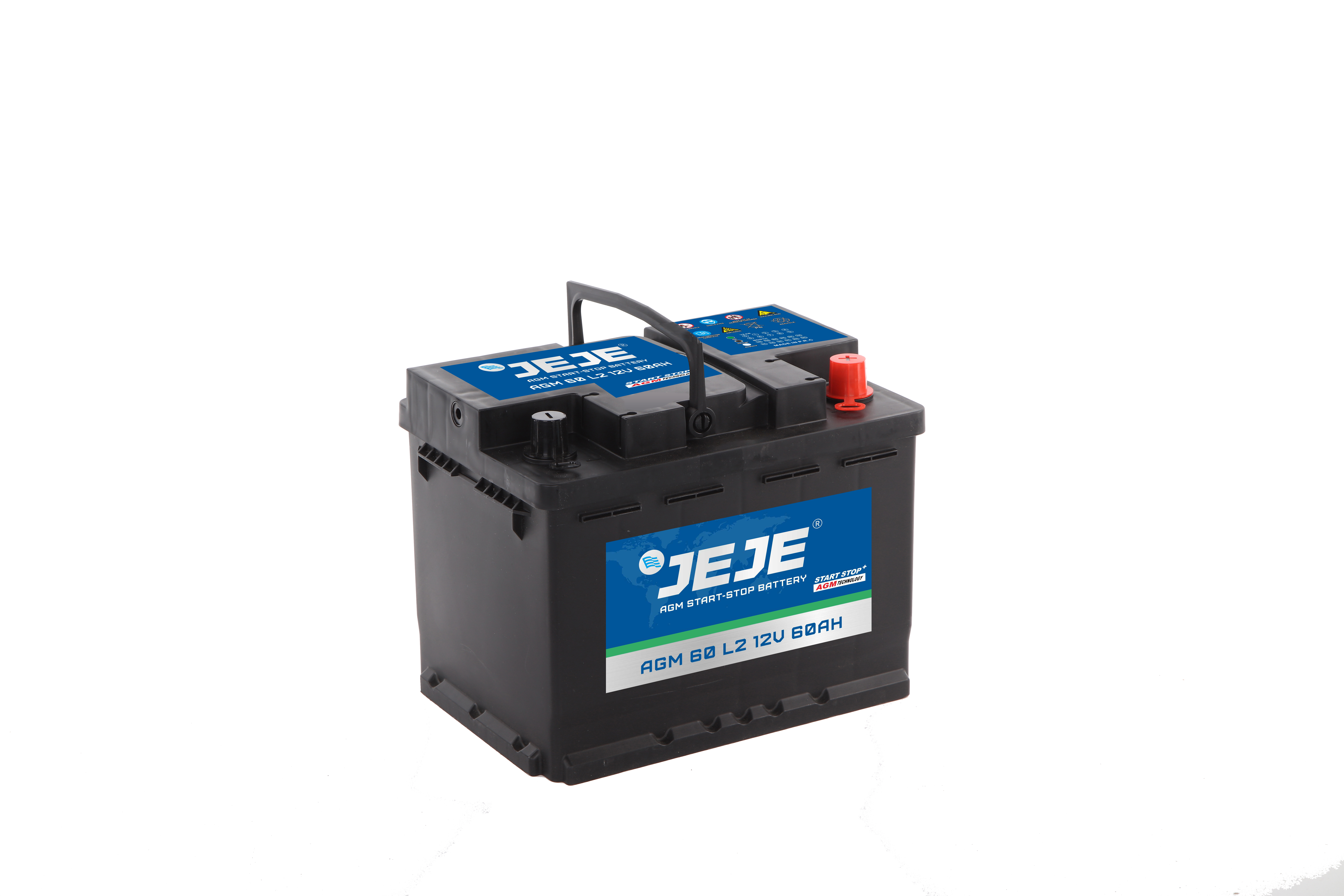
This guide breaks down the exact mechanical, software, and financial consequences of this common mistake. You will learn why replacing an AGM Start-Stop Car Battery with a standard MF alternative triggers system shutdowns. We also explore how this downgrade voids warranties and introduces severe safety hazards into the vehicle cabin.
Key Takeaways
System Malfunctions: Modern Battery Management Systems (BMS) are hard-coded for AGM voltage parameters; an MF battery will trigger undercharging, premature death, and feature shutdowns (e.g., auto start-stop, infotainment).
Severe Safety Risks: Ordinary MF batteries emit hydrogen gas during charging and are strictly prohibited in enclosed cabins or trunks where many AGM batteries are factory-installed.
False Economy: A standard MF battery in an AGM-calibrated vehicle typically fails within 12 to 24 months due to deep cycling abuse, negating any initial cost savings.
Warranty Invalidation: Installing the wrong battery technology immediately voids battery warranties and can compromise dealership electrical component guarantees.
The Engineering Gap: Why Your Vehicle Requires an AGM Start-Stop Car Battery
To understand the danger of downgrading, we must look at basic battery physics. AGM and ordinary MF batteries might look similar on the outside. Inside, they operate on entirely different engineering principles. Modern vehicles demand a robust power source capable of intense, continuous workloads.
Here are the three primary engineering gaps separating these two technologies:
Internal Resistance Dynamics: An AGM battery boasts an internal resistance of roughly 2%. This exceptionally low resistance allows for massive, rapid energy absorption. Ordinary MF batteries sit much higher, usually at 10-15%. This high resistance makes them too slow to recharge effectively between frequent engine start-stop events.
Deep Cycle Tolerance: Modern vehicles constantly draw power. Sensors, computers, and alarm modules stay awake even when you turn the engine off. We measure this capability through State of Charge (SOC) limits. AGM units safely tolerate discharges down to 40% SOC. Conversely, standard MF batteries sustain permanent plate sulfation if pushed below 50% repeatedly. They simply cannot survive modern deep cycling.
The Start-Stop Mandate: Auto start-stop systems demand incredible endurance. They require a battery capable of enduring tens of thousands of engine cranks over a single lifespan. Automotive engineers specifically designed AGM technology for this grueling cycle. An ordinary MF battery is engineered only for standard, infrequent starting bursts.
Performance Comparison Chart
Specification Metric
AGM Start-Stop Battery
Ordinary MF Battery
Internal Resistance
~2% (Fast charge)
10% - 15% (Slow charge)
Safe Discharge Limit (SOC)
40%
50%
Start-Stop Compatibility
Fully optimized
Incompatible
Cycle Life Endurance
Very High (Deep cycle)
Low (Shallow cycle only)
Technical Pitfalls: The Chain Reaction of Downgrading to MF
Replacing an original AGM unit with a standard MF battery causes a destructive chain reaction. It begins silently in the software before destroying physical hardware.
BMS Voltage Mismatch
Modern vehicles use a Battery Management System (BMS). The BMS acts as the brain controlling the alternator. A vehicle programmed for an AGM battery caps the charging voltage at around 14.6V. It does this because AGM chemistry degrades if overcharged.
Standard lead-acid batteries operate differently. They require up to 16V for a complete, healthy charge. If you install an MF battery, the BMS still caps the charge at 14.6V. The new MF battery will chronically undercharge. Chronic undercharging accelerates sulfation, causing the battery to degrade rapidly.
Protective Subsystem Shutdowns
When the BMS detects unstable voltage from an incompatible MF battery, it takes defensive action. The vehicle enters a load-shedding phase. It culls "comfort features" to preserve enough power to keep the engine running safely.
The infotainment screen and radio may suddenly turn off.
Heated seats and climate control fans lose power.
Advanced Driver-Assistance Systems (ADAS), like blind-spot monitoring, deactivate.
The auto start-stop system disables itself completely.
Drivers often blame the electrical accessories. In reality, the wrong battery chemistry triggers these subsystem shutdowns.
Alternator Burnout Risk
Hardware strain soon follows the software mismatch. A dying or incompatible MF battery resists taking a charge. The vehicle computer recognizes the low voltage state. It commands the alternator to run at its maximum duty cycle continuously.
Alternators are not designed to run at 100% capacity forever. This constant mechanical strain generates extreme heat. Eventually, it risks the complete burnout of the alternator's voltage regulator. In severe cases, it can fry the vehicle's Electronic Control Unit (ECU). You escalate a simple battery replacement into a major electrical repair.
Physical Safety and Compliance Hazards
Downgrading battery technology creates more than just mechanical issues. It introduces life-threatening safety hazards inside your vehicle.
The Venting Problem
AGM batteries utilize a Valve-Regulated Lead-Acid (VRLA) sealed design. They recombine gases internally during the charging process. This specialized engineering results in virtually zero gas emission under normal operating conditions.
Ordinary MF batteries function differently. Despite being "maintenance-free," they still rely on traditional flooded lead-acid principles. They inherently vent gases into the atmosphere as they charge and discharge.
Enclosed Space Dangers
Automakers frequently move AGM batteries out of the engine bay. They install them in the trunk, under a rear seat, or directly inside the cabin. They do this to improve weight distribution and protect the battery from engine heat.
This placement relies on a critical physical rule. You can only place non-venting batteries in passenger spaces. If you install an ordinary MF battery in an enclosed cabin, it introduces a severe hazard. The battery will vent explosive hydrogen gas directly into the passenger area. It also risks leaking corrosive sulfuric acid onto interior metal floors, causing structural rust.
OEM Compliance and Warranties
Automotive manufacturers maintain strict compliance rules. Reputable battery brands also follow these guidelines closely. They universally classify a downgrade from AGM to MF as an "incorrect part application."
Performing this downgrade immediately voids your battery warranty. Furthermore, if the wrong battery damages the alternator or electrical modules, dealership mechanics will flag the incorrect part. This instantly voids any related electrical component guarantees on the vehicle.
The Financial Reality Check: Long-Term Impacts
Many drivers downgrade to an MF battery purely to save money. This choice relies on a fundamental misunderstanding of automotive economics. The upfront discount hides massive backend expenses.
The Illusion of Initial Savings
We must acknowledge the initial register price. An ordinary MF battery might cost 40% to 50% less than a premium AGM unit. For a driver on a strict budget, this discount feels like a smart financial move. However, this is an illusion.
Replacement Frequency (Cost per Year)
You must project the actual lifecycle to see the real cost. An AGM unit properly matched to the vehicle typically lasts 5 to 10 years. It handles deep cycling and high electrical loads effortlessly.
An overtaxed MF battery placed in an AGM-calibrated vehicle faces severe abuse. It typically fails in just 1 to 2 years. You will buy three ordinary MF batteries in the time it takes to wear out one proper AGM battery. The frequent replacement cycle destroys any initial cost savings.
Hidden Diagnostics Costs
Failed batteries trigger dashboard warning lights. Incompatible voltage irregularities cause erratic vehicle behavior. When your infotainment screen goes black, you will likely visit a mechanic.
You must factor in the inevitable diagnostic fees. Mechanics charge premium labor rates to scan computers and diagnose electrical gremlins. These hidden service fees make the downgrade significantly more expensive over the vehicle's lifespan.
Financial Impact Comparison
Cost Factor
AGM Strategy
MF Downgrade Strategy
Initial Purchase Price
Higher Base Cost
40-50% Cheaper
Lifespan Expectancy
5 - 10 Years
1 - 2 Years
Diagnostic Repair Risks
Minimal
High (Alternator/ECU strain)
Long-Term Viability
Highly Economical
Expensive Failure Cycle
How to Evaluate a Reliable Supplier
For B2B buyers, fleet managers, and parts distributors, sourcing the right replacement components is critical. Choosing a dependable manufacturing partner ensures your customers avoid the dangers outlined above.
OEM Match and Certification
You must look for suppliers whose products meet exact Original Equipment (OE) specifications. The battery must match the exact Cold Cranking Amps (CCA) and Reserve Capacity (RC) required by modern vehicles. Furthermore, precise BMS compatibility is non-negotiable. The charging acceptance rate must align with factory computer algorithms.
VRLA Manufacturing Standards
The internal construction dictates actual performance. Ensure the AGM Start-Stop Car Battery supplier utilizes premium glass mat separators. They should also use high-purity virgin lead. These high-grade materials guarantee the critical 2% internal resistance benchmark. Inferior manufacturing leads to higher resistance, mimicking the failures of standard MF batteries.
Warranty and Technical Support
A credible manufacturing partner stands behind their engineering. They provide a robust commercial warranty, typically extending 36 months or longer. Beyond the hardware guarantee, they offer clear technical support. This includes supplying exact documentation on BMS resetting procedures so technicians install the products correctly.
Supply Chain Scalability
Bulk buyers must evaluate operational reliability. Analyze the supplier's inventory consistency and regional distribution capabilities. Finally, review their environmental, social, and governance (ESG) compliance. Reputable suppliers ensure proper lead recycling and adhere strictly to global environmental manufacturing standards.
Conclusion
We categorically advise against replacing an OEM AGM battery with an ordinary MF battery. The fundamental differences in internal resistance and deep cycle tolerance make them incompatible. The short-term savings you see at the register are quickly eclipsed by rapid mechanical failures.
Downgrading your battery threatens your alternator, disables comfort features, and introduces explosive gases into your cabin. It is a false economy that voids warranties and compromises overall vehicle functionality.
Always verify your exact OEM battery requirements in your owner's manual before making a purchase. Once you acquire the correct AGM replacement, consult with a certified technician. They must reset the vehicle's Battery Management System using proper diagnostic tools to ensure your new battery performs safely and reliably.
FAQ
Q: Can I use an OBD2 scanner to reprogram my car to accept an ordinary MF battery?
A: Even if the diagnostic software allows a profile change, you should avoid it. The physical hardware of an ordinary MF battery cannot survive the deep cycling demands of modern electrical architectures. It will still suffer rapid sulfation and fail prematurely.
Q: What happens if I put an AGM battery in an older car that originally came with an ordinary battery?
A: Upgrading is generally safe and highly beneficial. AGM technology offers better durability and leak-proof safety. However, a mechanic must verify the older alternator output. This ensures it does not exceed 14.6V and overcharge the new AGM battery.
Q: Will the car start if I use an ordinary MF battery in an emergency?
A: Yes, it will start and drive temporarily. The dimensions and posts usually match. However, immediate plans should be made to swap it for a proper AGM unit. Leaving it in permanently will cause long-term electrical damage and system shutdowns.