
Views: 0 Author: Site Editor Publish Time: 2025-11-06 Origin: Site
Ever wondered why your device's battery doesn't last long? Identifying battery types is crucial. Lithium-ion and Lead Acid Battery Lead Acid Battery have unique traits. In this post, you'll learn how to distinguish them by appearance, labels, voltage, and more.
Lithium-ion batteries usually weigh much less than lead-acid batteries of similar capacity. This is because lithium-ion cells have a higher energy density, packing more power in a smaller, lighter package. For example, a lithium-ion battery used in a laptop or electric vehicle can be half or even a third the weight of a comparable lead-acid battery.
Lead-acid batteries tend to be bulky and heavy due to their internal plates and liquid electrolyte. They often require a sturdy casing to contain the corrosive sulfuric acid inside. This makes them less practical for portable devices but suitable for applications needing high surge currents, such as car starters or backup power.
Lead-acid batteries typically have a rectangular or square shape with a rigid, often black or dark-colored plastic casing. Many models feature a vented top with caps or plugs, allowing users to add distilled water to maintain electrolyte levels. This venting is necessary because lead-acid batteries can emit gases during charging.
Lithium-ion batteries come in various shapes, including cylindrical (like AA-size cells), prismatic (flat rectangular), or pouch-style. Their casing is usually sealed and made from hard plastic or metal, designed to be maintenance-free. There are no vent caps since lithium-ion batteries are sealed units and do not require electrolyte topping up.
In addition, lithium-ion batteries often have smooth, sleek surfaces and are designed to fit compact spaces. Their flexible shapes allow manufacturers to optimize device design and weight distribution.
Tip: When handling batteries, use weight and shape as quick visual clues—lithium-ion batteries are lighter and come in diverse shapes, while lead-acid batteries are heavier, boxy, and feature vented caps.
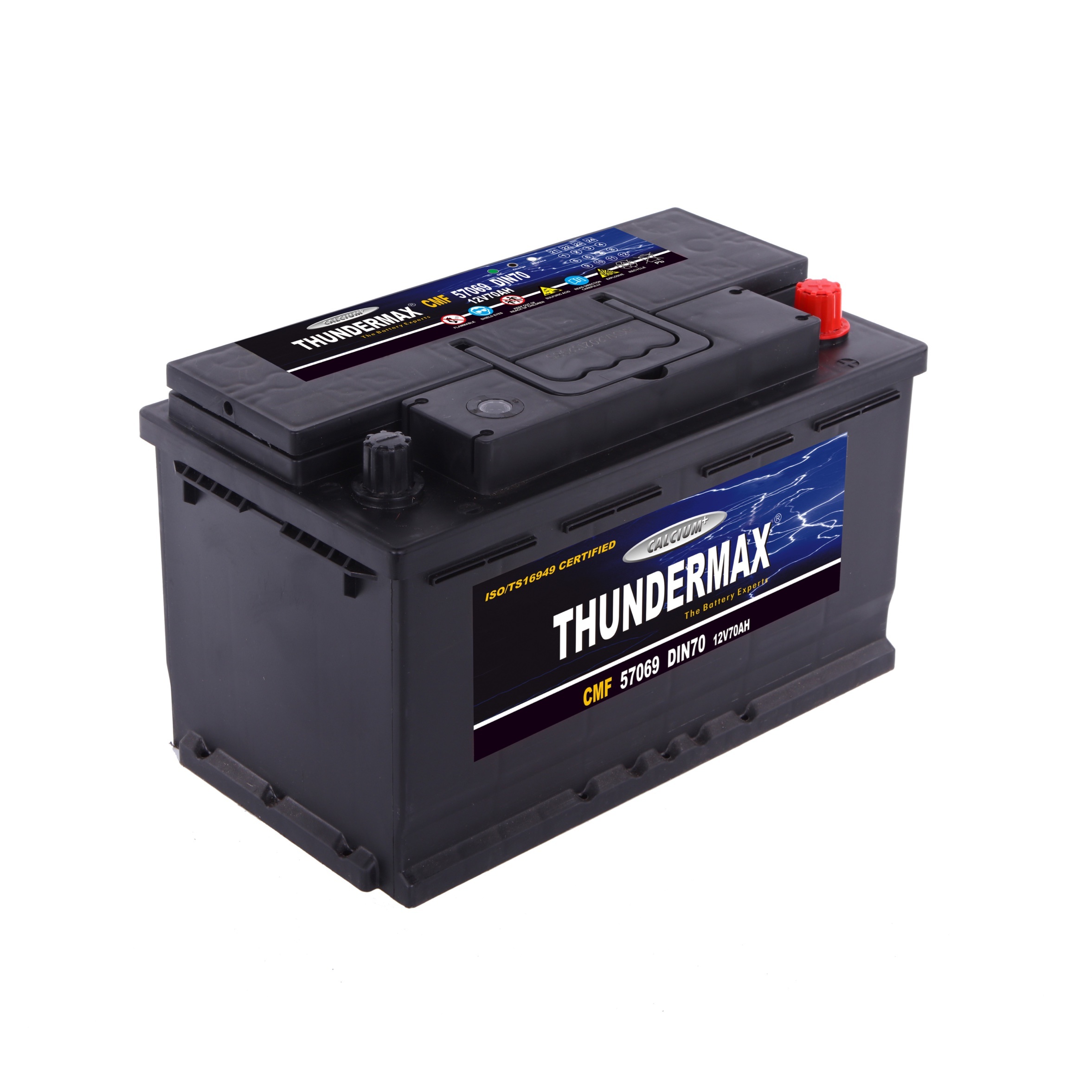
One of the easiest ways to identify whether a battery is lithium-ion or lead-acid is by checking its labels. These labels usually contain important details about the battery’s chemistry, voltage, capacity, and safety instructions.
Lead-acid batteries often have clear markings indicating the battery type, such as “Lead-Acid,” “Sealed Lead Acid (SLA),” or “AGM” (Absorbent Glass Mat). They also display voltage ratings like 6V or 12V, along with capacity in ampere-hours (Ah). You might see warnings about the corrosive sulfuric acid inside, instructions to avoid sparks or flames, and guidance on proper ventilation during charging.
Lithium-ion batteries typically have labels showing “Li-ion,” “Lithium Polymer,” or specific chemistries like “LiFePO4.” The voltage per cell is usually around 3.6 or 3.7 volts, with the total pack voltage depending on the number of cells connected. Capacity is also listed in Ah or watt-hours (Wh). Labels might include manufacturer details, model numbers, and charging instructions to avoid overcharging or deep discharging.
Both battery types carry safety and compliance symbols to indicate they meet regulatory standards. Lead-acid batteries often show symbols for recycling, warnings about acid hazards, and certifications like UL (Underwriters Laboratories) or CE (Conformité Européenne).
Lithium-ion batteries display similar certifications but also include symbols related to transportation regulations, such as the UN38.3 mark, which certifies safe air transport. You may also find icons warning against puncturing, exposing the battery to fire, or improper disposal.
These labels and symbols are crucial for safe handling, storage, and disposal. They help users quickly understand the battery type and any risks involved.
One clear way to tell if a battery is lithium or lead-acid is by checking its voltage. Lead-acid batteries usually come in standard voltages like 2V, 6V, or 12V. For example, a common car battery is 12 volts, made up of six 2-volt cells connected in series. These batteries provide a steady voltage suitable for high current needs such as starting engines or powering backup systems.
Lithium-ion batteries have different voltage characteristics. Each lithium-ion cell typically has a nominal voltage of about 3.6 to 3.7 volts. Battery packs combine multiple cells to reach higher voltages, often ranging from 7.4V (two cells) up to 48V or more for large applications like electric vehicles or solar energy storage. This higher voltage per cell allows lithium-ion batteries to be more compact and efficient.
Energy density is a key difference between lithium and lead-acid batteries. Lithium-ion batteries pack much more energy into the same size or weight. This means they can power devices longer or deliver more power without adding bulk.
For example, a lithium-ion battery used in a laptop or electric bike can store two to three times the energy of a lead-acid battery of the same size. This makes lithium-ion ideal for portable electronics, electric vehicles, and applications where weight and space matter.
Lead-acid batteries, while heavier and bulkier, excel in applications needing high surge current and durability. They are common in cars, golf carts, and backup power systems. Their lower energy density limits their use in lightweight or compact devices.
Lead-acid batteries need regular care to keep working well and last longer. One important task is checking the electrolyte levels. You often have to add distilled water to keep the right amount inside. This helps prevent damage to the battery plates. Cleaning the battery terminals is also necessary to avoid corrosion, which can cause poor connections and reduce battery performance.
These batteries release hydrogen gas during charging, so good ventilation is crucial to prevent gas build-up that might cause explosions. Regular inspection for leaks or cracks in the casing is also important because the sulfuric acid inside is corrosive and dangerous.
Charging lead-acid batteries properly is key. Overcharging can cause excessive gas release and damage, while undercharging leads to sulfation, reducing battery capacity. Using a charger designed for lead-acid batteries helps maintain the right charge level.
Lithium-ion batteries, in contrast, are designed to be maintenance-free. They don’t require topping up with water or cleaning terminals regularly. Their sealed construction prevents leaks and gas emissions, making them safer to handle.
However, they still need proper care to ensure a long life. Overcharging or deep discharging can damage lithium-ion batteries, so using a charger with lithium-specific charging profiles is essential. These chargers control voltage and current precisely, preventing battery stress.
Temperature also affects lithium-ion batteries. They should be kept within recommended temperature ranges during charging and discharging to avoid overheating or capacity loss.
In summary, lithium-ion batteries simplify maintenance but require careful charging and temperature control to stay healthy.
Lead-acid batteries have been used for decades, but they pose significant environmental risks. They contain lead, a toxic heavy metal harmful to humans and wildlife. If these batteries leak or are improperly disposed of, lead can contaminate soil and water sources, causing long-term damage.
The sulfuric acid electrolyte inside lead-acid batteries is corrosive and dangerous. Spills can cause chemical burns and pollute the environment. Additionally, during charging, lead-acid batteries emit hydrogen gas, which can be explosive if not properly ventilated.
Despite these concerns, lead-acid batteries are widely recycled, reducing their environmental footprint. However, improper handling or disposal remains a serious issue, especially in regions lacking effective recycling programs.
Lithium-ion batteries are often seen as more environmentally friendly due to their higher energy density and longer lifespan. But they come with their own set of challenges.
Mining lithium, cobalt, and other metals used in lithium-ion batteries can cause habitat destruction, water depletion, and pollution. These extraction processes often occur in sensitive ecological areas, raising sustainability concerns.
Moreover, lithium-ion batteries can pose fire risks if damaged or improperly handled, leading to thermal runaway. Recycling lithium-ion batteries is more complex than lead-acid due to the variety of chemistries and the difficulty in safely recovering materials.
Currently, recycling infrastructure for lithium-ion batteries is still developing. This limits the ability to reclaim valuable metals and prevents widespread reduction of environmental impact.
Lead-acid batteries are one of the most recycled battery types worldwide. Their recycling process is well-established and highly efficient. First, the battery is broken apart in a hammer mill, separating the plastic, lead, and acid. The plastic casing is cleaned and reused to manufacture new battery cases. The lead components are melted in a furnace and purified to produce new lead plates or other lead products.
The sulfuric acid electrolyte can be neutralized with an industrial chemical or converted into sodium sulfate, a compound used in detergents and glass manufacturing. This recycling loop helps reduce environmental contamination risks and conserves natural resources by reusing lead and plastic materials.
Because lead is toxic, proper handling during recycling is essential to prevent lead dust or fumes from polluting the environment. Recycling centers use strict safety measures and pollution controls to minimize exposure and emissions.
Lithium-ion battery recycling is more complex and still developing globally. These batteries contain valuable metals like lithium, cobalt, nickel, and manganese, which can be recovered and reused. However, the variety of lithium-ion chemistries and the sealed design make disassembly and material separation challenging.
Current recycling methods involve mechanical shredding, chemical leaching, or high-temperature processing to extract metals. These processes require specialized facilities and careful handling to avoid fire hazards or toxic emissions.
The recycling infrastructure for lithium-ion batteries is expanding, driven by the growth of electric vehicles and portable electronics. Governments and companies are investing in new technologies and collection programs to improve recovery rates and reduce waste.
Still, many lithium-ion batteries end up in landfills due to limited access to recycling or lack of consumer awareness. This can lead to resource loss and environmental risks like soil contamination or fires.
Lithium-ion and lead-acid batteries differ in appearance, maintenance, and environmental impact. Lithium-ion batteries are lighter, more energy-dense, and maintenance-free, while lead-acid batteries require regular care. Safe handling involves checking labels, understanding voltage ranges, and following safety precautions. JUJIANG GROUP TECHNOLOGY Co., Ltd. offers innovative battery solutions, ensuring users benefit from advanced technology and reliable performance. Their products provide efficient, sustainable energy options, enhancing device functionality and user convenience.
A: A Lead Acid Battery is typically heavier, with a rectangular shape and vented caps, while a lithium-ion battery is lighter and comes in various shapes with sealed casings.
A: A Lead Acid Battery label usually indicates "Lead-Acid," "SLA," or "AGM," and includes voltage ratings like 6V or 12V, along with safety warnings about sulfuric acid.
A: Lead Acid Batteries need regular electrolyte checks and terminal cleaning, while lithium-ion batteries are maintenance-free but require careful charging and temperature control.
A: Improper disposal of a Lead Acid Battery can lead to lead contamination of soil and water and release corrosive sulfuric acid, posing significant environmental risks.

